The Future of Fashion: How Artificial Intelligence is Revolutionizing the Industry
In recent years, the fashion industry has witnessed a significant transformation, thanks to the integration of Artificial Intelligence (AI). This cutting-edge technology is not just a buzzword; it’s a game-changer that’s reshaping how designers create, how brands market, and how consumers shop.
What is Artificial Intelligence in Fashion?
Artificial Intelligence refers to the simulation of human intelligence in machines that are programmed to think and learn like humans. In the context of fashion, AI is being used to streamline various processes, from design and production to marketing and customer service.
Applications of AI in Fashion
AI is being utilized in numerous ways within the fashion industry:
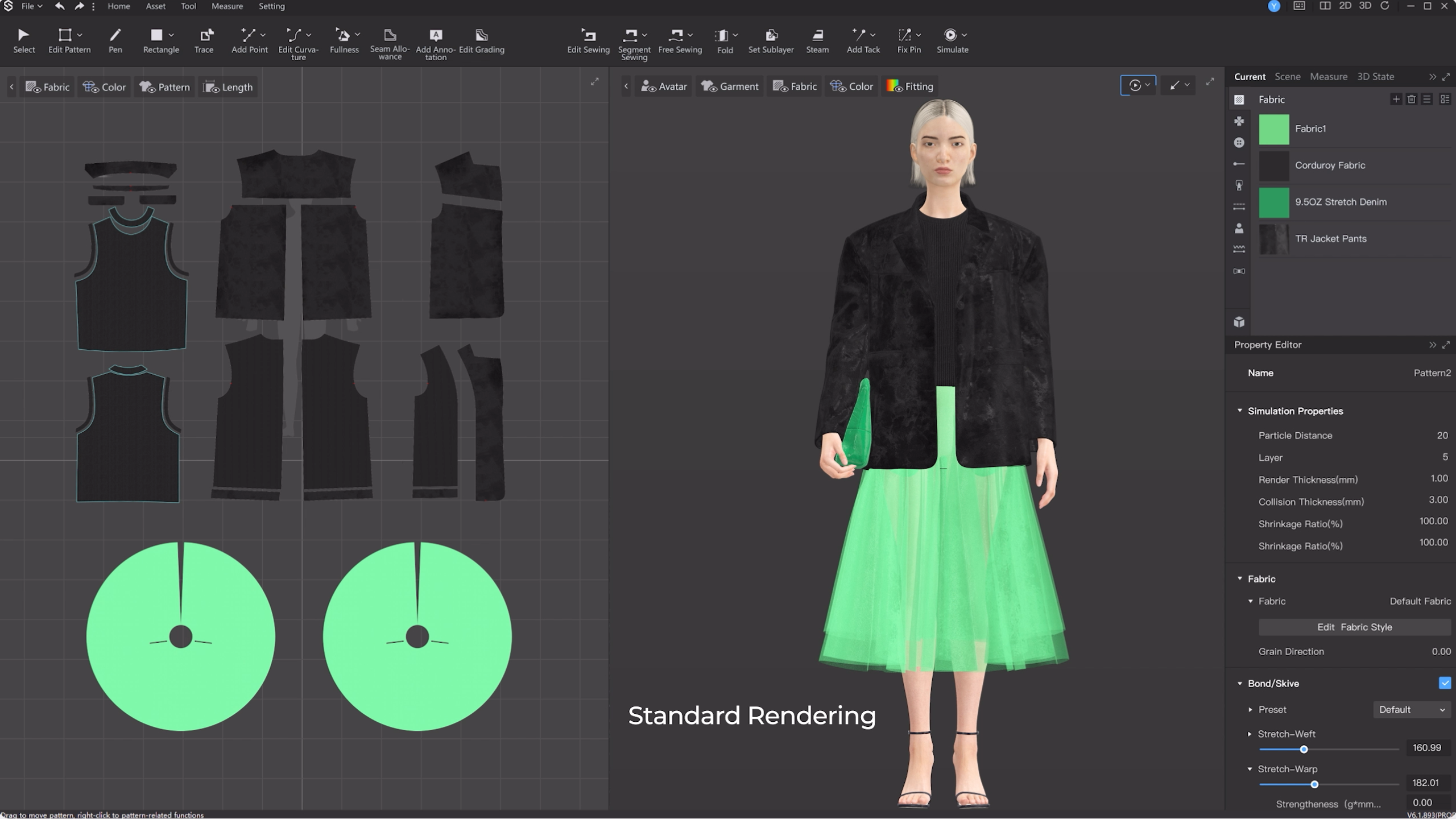
- Design Assistance: AI algorithms can analyze trends and consumer preferences to assist designers in creating collections that are more likely to succeed in the market.
- Virtual Fitting Rooms: AI-powered virtual fitting rooms allow customers to try on clothes virtually, reducing the need for physical fitting rooms and enhancing the online shopping experience.
- Supply Chain Optimization: AI can predict demand, optimize inventory levels, and streamline the supply chain, reducing waste and improving efficiency.
- Personalized Marketing: AI can analyze consumer behavior to deliver personalized marketing messages, increasing engagement and conversion rates.
Benefits of AI in Fashion
The integration of AI in fashion offers several benefits:
- Enhanced Creativity: AI tools can provide designers with new insights and inspiration, pushing the boundaries of creativity.
- Improved Efficiency: Automating repetitive tasks allows fashion professionals to focus on more strategic activities.
- Better Customer Experience: Personalized recommendations and virtual fitting rooms enhance the shopping experience, leading to higher customer satisfaction.
- Sustainability: AI can help reduce waste by optimizing production processes and predicting demand more accurately.
Challenges and Considerations
While AI offers numerous advantages, there are also challenges to consider:
- Data Privacy: The use of AI requires vast amounts of data, raising concerns about data privacy and security.
- Job Displacement: Automation may lead to job displacement in certain areas of the fashion industry.
- Ethical Concerns: The use of AI in fashion raises ethical questions, such as the potential for bias in algorithms.
Conclusion
The integration of Artificial Intelligence in the fashion industry is not just a trend; it’s a revolution. As technology continues to evolve, the possibilities for AI in fashion are endless. From enhancing creativity to improving efficiency and sustainability, AI is set to redefine the future of fashion. However, it’s essential to address the challenges and ethical considerations to ensure that this transformation benefits everyone involved.
For more insights on how AI is shaping the future of fashion, visit Style3D.
Keyword: fashion clothes design software