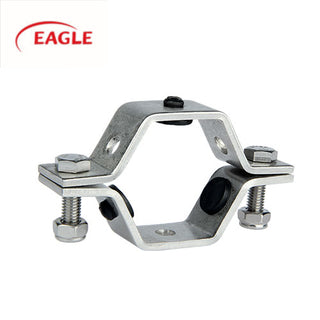
# Pipe Hanger Installation and Maintenance Guidelines
Proper installation and maintenance of pipe hangers are crucial for ensuring the longevity and efficiency of piping systems. Pipe hangers support the weight of pipes, reduce stress, and prevent sagging or misalignment. This guide provides essential steps and tips for installing and maintaining pipe hangers effectively.
## Installation Guidelines
### 1. Select the Right Type of Pipe Hanger
Choose a pipe hanger that matches the pipe material, size, and load requirements. Common types include clevis hangers, roller hangers, and rigid hangers. Ensure the hanger is compatible with the pipe’s operating temperature and environment.
### 2. Measure and Mark the Installation Points
Accurately measure the distance between hangers based on the pipe’s diameter and weight. Mark the installation points on the supporting structure, ensuring they align with the pipe’s centerline.
### 3. Secure the Hanger to the Structure
Use appropriate fasteners, such as bolts or screws, to attach the hanger to the supporting structure. Ensure the fasteners are tightened securely but avoid over-tightening, which can damage the hanger or structure.
### 4. Position the Pipe in the Hanger
Place the pipe into the hanger, ensuring it is centered and properly supported. Adjust the hanger’s position if necessary to avoid stress points or misalignment.
### 5. Inspect the Installation
After installation, inspect the hanger and pipe for proper alignment and support. Ensure there is no excessive movement or stress on the pipe.
## Maintenance Guidelines
### 1. Regular Inspections
Conduct routine inspections to check for signs of wear, corrosion, or damage to the hangers. Pay attention to areas exposed to moisture, chemicals, or extreme temperatures.
### 2. Tighten Loose Fasteners
Over time, fasteners may loosen due to vibrations or thermal expansion. Regularly check and tighten any loose bolts or screws to maintain the hanger’s stability.
### 3. Replace Damaged Hangers
If a hanger shows signs of significant wear, corrosion, or damage, replace it immediately. Delaying replacement can lead to pipe failure or system inefficiency.
### 4. Monitor Pipe Movement
Ensure the pipe remains properly supported and aligned within the hanger. Address any signs of sagging, misalignment, or excessive movement promptly.
### 5. Lubricate Moving Parts
For hangers with moving components, such as roller hangers, apply lubrication as needed to ensure smooth operation and prevent wear.
By following these installation and maintenance guidelines, you can ensure the reliability and durability of your piping system. Properly installed and maintained pipe hangers not only extend the life of the pipes but also contribute to the overall safety and efficiency of the system.
Keyword: pipe hangers