
# Understanding the Functionality of Automatic Weather Stations
Automatic Weather Stations (AWS) are advanced systems designed to collect and record meteorological data without the need for constant human intervention. These stations are widely used in various fields, including agriculture, aviation, and environmental monitoring, to provide accurate and real-time weather information.
## What is an Automatic Weather Station?
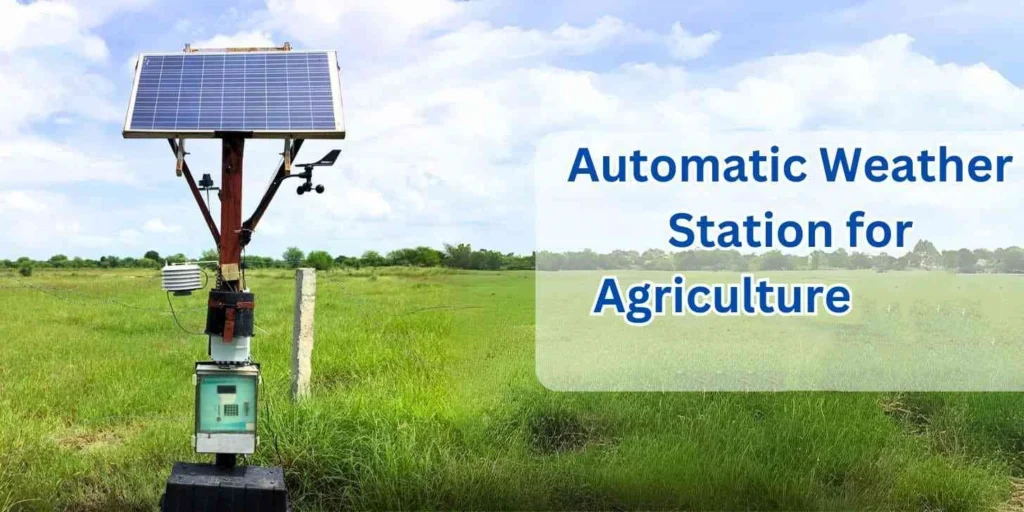
An Automatic Weather Station is a sophisticated setup that consists of multiple sensors and instruments to measure various weather parameters. These parameters typically include temperature, humidity, wind speed, wind direction, rainfall, and atmospheric pressure. The data collected by these sensors is then transmitted to a central database or displayed on a local interface for analysis and interpretation.
## Key Components of an Automatic Weather Station
An AWS typically includes the following components:
– Sensors: These are the primary devices that measure weather parameters. Common sensors include thermometers for temperature, hygrometers for humidity, anemometers for wind speed, and barometers for atmospheric pressure.
– Data Logger: This device records the data collected by the sensors. It can store data for extended periods and often includes features for data transmission.
– Power Supply: AWS units are usually powered by solar panels or batteries, ensuring continuous operation even in remote locations.
– Communication System: This system transmits the collected data to a central server or a local display unit. It can use various communication methods, such as radio, satellite, or cellular networks.
## How Does an Automatic Weather Station Work?
The functionality of an AWS can be broken down into several steps:
– Data Collection: Sensors continuously monitor and measure weather parameters. For example, a thermometer will record temperature changes, while an anemometer will measure wind speed.
– Data Recording: The data logger collects and stores the information from the sensors. It ensures that the data is accurately recorded and time-stamped.
– Data Transmission: The communication system sends the recorded data to a central database or a local display unit. This allows for real-time monitoring and analysis.
– Data Analysis: Meteorologists and other professionals analyze the data to make informed decisions. This analysis can help in weather forecasting, agricultural planning, and disaster management.
## Applications of Automatic Weather Stations
AWS units have a wide range of applications, including:
– Agriculture: Farmers use AWS data to optimize irrigation, planting, and harvesting schedules. Accurate weather information helps in reducing crop losses and improving yields.
– Aviation: Airports rely on AWS for real-time weather updates, ensuring safe takeoffs and landings. Pilots use this data to make informed decisions during flights.
– Environmental Monitoring: AWS units are used to monitor climate change, track pollution levels, and study natural ecosystems. This data is crucial for environmental conservation efforts.
– Disaster Management: Early warning systems powered by AWS can predict natural disasters like hurricanes, floods, and droughts. This allows for timely evacuations and resource allocation.
## Advantages of Using Automatic Weather Stations
There are several benefits to using AWS units:
– Accuracy: AWS units provide highly accurate and reliable data, which is essential for precise weather forecasting and analysis.
– Real-Time Data: The ability to collect and transmit data in real-time allows for immediate response to changing weather conditions.
– Cost-Effective: Once installed, AWS units require minimal maintenance and can operate autonomously, reducing labor costs.
– Remote Monitoring: AWS units can be installed in remote or inaccessible locations, providing valuable data from areas that are difficult to monitor manually.
## Conclusion
Automatic Weather Stations play a crucial role in modern meteorology and various other fields. By providing accurate, real-time weather data, AWS units help in making informed decisions that can save lives, protect property, and enhance productivity. Understanding the functionality and components of these systems is essential for leveraging their full potential in diverse applications.
Keyword: what is automatic weather station