# Weather Measuring Instruments: Essential Tools for Accurate Forecasting
Weather forecasting has come a long way from relying solely on observations of the sky and wind patterns. Today, meteorologists use a variety of sophisticated weather measuring instruments to gather precise data, enabling them to predict weather conditions with remarkable accuracy. These tools are essential for understanding atmospheric changes and providing reliable forecasts.
## Thermometers: Measuring Temperature
One of the most fundamental weather measuring instruments is the thermometer. It measures air temperature, which is crucial for predicting weather patterns. Modern thermometers use digital sensors to provide real-time temperature readings, ensuring accuracy and reliability.
## Barometers: Tracking Atmospheric Pressure
Barometers are used to measure atmospheric pressure, a key indicator of upcoming weather changes. A sudden drop in pressure often signals an approaching storm, while rising pressure typically indicates fair weather. Digital barometers are now widely used, offering precise measurements and easy data interpretation.
## Anemometers: Gauging Wind Speed and Direction
Wind plays a significant role in weather patterns, and anemometers are the go-to instruments for measuring wind speed and direction. Cup anemometers and vane anemometers are commonly used, with advanced models providing real-time data for more accurate forecasting.
## Hygrometers: Measuring Humidity Levels
Humidity levels greatly influence weather conditions, and hygrometers are designed to measure the amount of moisture in the air. High humidity can lead to precipitation, while low humidity often results in dry conditions. Modern hygrometers use electronic sensors to deliver precise humidity readings.
## Rain Gauges: Measuring Precipitation
Rain gauges are essential for measuring the amount of precipitation over a specific period. This data is critical for understanding rainfall patterns and predicting potential flooding or drought conditions. Tipping bucket rain gauges are popular for their accuracy and ease of use.
## Weather Stations: Comprehensive Data Collection
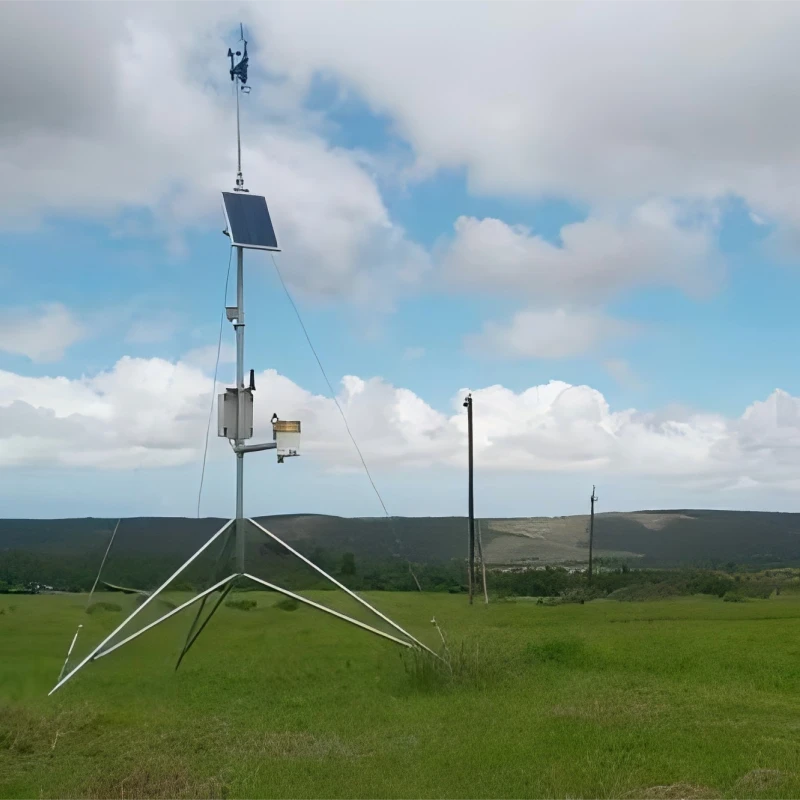
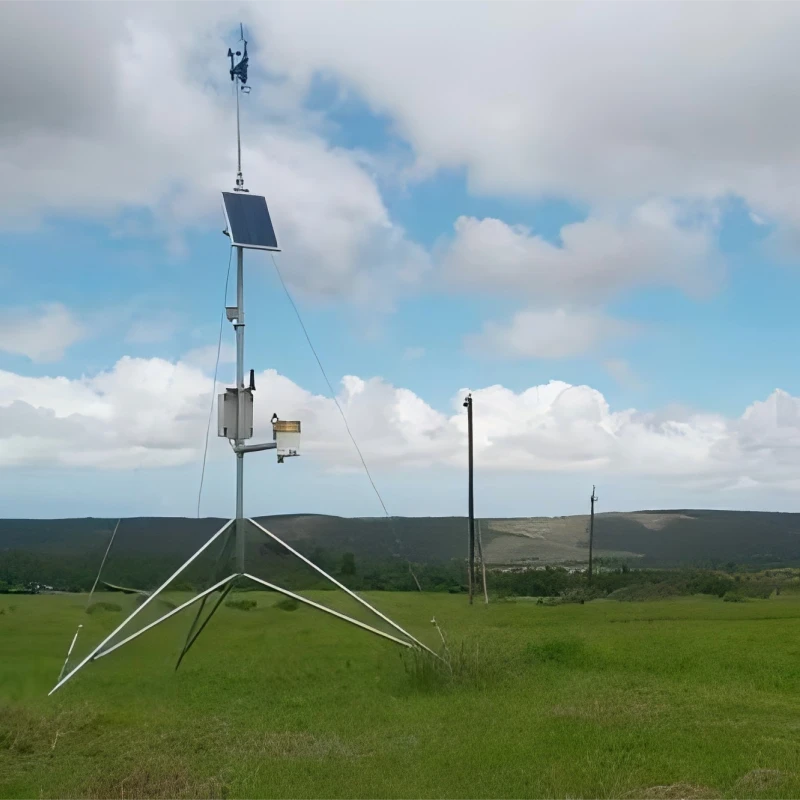
Modern weather stations combine multiple instruments, such as thermometers, barometers, anemometers, and hygrometers, into a single unit. These stations provide comprehensive data, making them invaluable for accurate weather forecasting. Many are equipped with wireless technology, allowing for remote monitoring and data analysis.
## The Importance of Accurate Weather Instruments
Accurate weather measuring instruments are vital for predicting weather conditions and mitigating the impact of severe weather events. From agriculture to aviation, reliable forecasts are essential for planning and decision-making. As technology advances, these instruments continue to improve, offering even greater precision and reliability.
In conclusion, weather measuring instruments are indispensable tools for meteorologists and weather enthusiasts alike. By providing accurate and timely data, they enable us to better understand and predict the ever-changing weather, ensuring safety and preparedness for all.
Keyword: weather measuring instruments