# 10 Practical Applications of Rain Gauges in Weather Monitoring
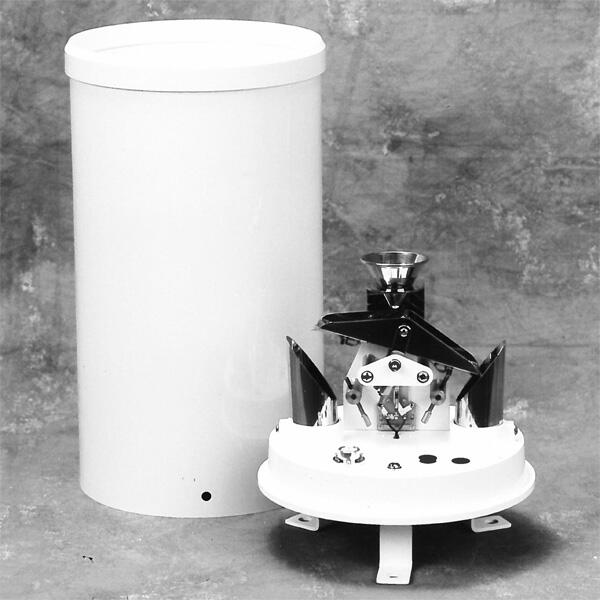
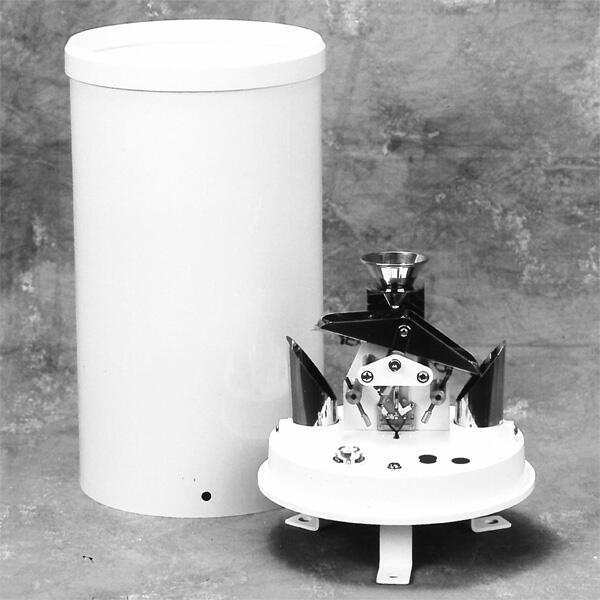
Rain gauges are essential tools in meteorology, providing accurate measurements of precipitation. These devices play a crucial role in various fields, from agriculture to urban planning. Below are ten practical applications of rain gauges in weather monitoring.
## 1. Agricultural Planning
Farmers rely on rain gauges to monitor rainfall patterns, which helps them make informed decisions about planting, irrigation, and harvesting. Accurate precipitation data ensures optimal crop growth and water resource management.
## 2. Flood Prediction and Management
Rain gauges are vital in predicting and managing floods. By measuring rainfall intensity and duration, authorities can issue timely warnings and implement flood control measures to protect communities and infrastructure.
## 3. Hydrological Studies
Hydrologists use rain gauges to study water cycles and watershed dynamics. Precipitation data is crucial for understanding river flow, groundwater recharge, and the overall health of aquatic ecosystems.
## 4. Climate Research
Rain gauges contribute to long-term climate research by providing consistent precipitation records. These records help scientists analyze climate trends, assess the impact of climate change, and develop predictive models.
## 5. Urban Planning
Urban planners use rain gauge data to design efficient drainage systems and mitigate the risk of waterlogging in cities. Accurate rainfall measurements ensure that infrastructure can handle extreme weather events.
## 6. Water Resource Management
Rain gauges are indispensable for managing water resources. They help in estimating water availability, planning reservoir operations, and ensuring sustainable water supply for domestic, industrial, and agricultural use.
## 7. Weather Forecasting
Meteorologists use rain gauge data to improve the accuracy of weather forecasts. Precipitation measurements are integrated into weather models to predict short-term and long-term weather conditions.
## 8. Disaster Preparedness
Rain gauges play a critical role in disaster preparedness. By monitoring rainfall, authorities can anticipate natural disasters like landslides and flash floods, enabling timely evacuation and resource allocation.
## 9. Environmental Monitoring
Environmental scientists use rain gauges to monitor precipitation in natural habitats. This data helps in assessing the impact of rainfall on ecosystems, biodiversity, and the spread of invasive species.
## 10. Educational Purposes
Rain gauges are valuable educational tools in schools and universities. They help students understand meteorological concepts, conduct experiments, and develop a deeper appreciation for weather monitoring and environmental science.
In conclusion, rain gauges are versatile instruments with a wide range of applications in weather monitoring. Their ability to provide accurate and reliable precipitation data makes them indispensable in various fields, contributing to better decision-making and improved quality of life.
Keyword: 10 uses of rain gauge