# 10 Practical Applications of Rain Gauges in Everyday Life
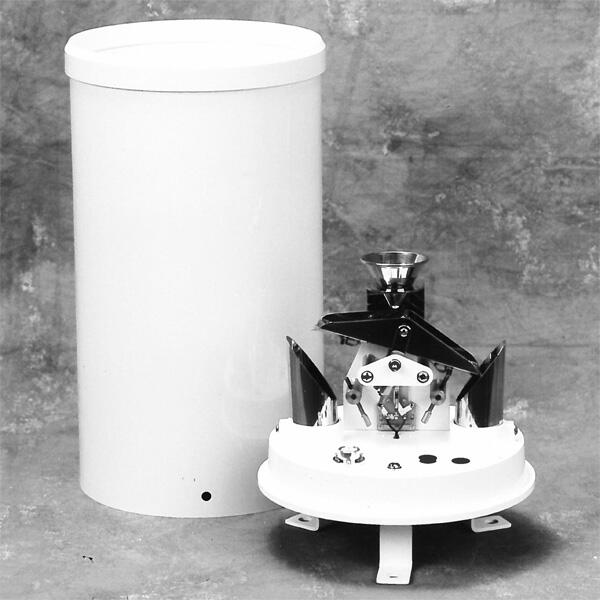
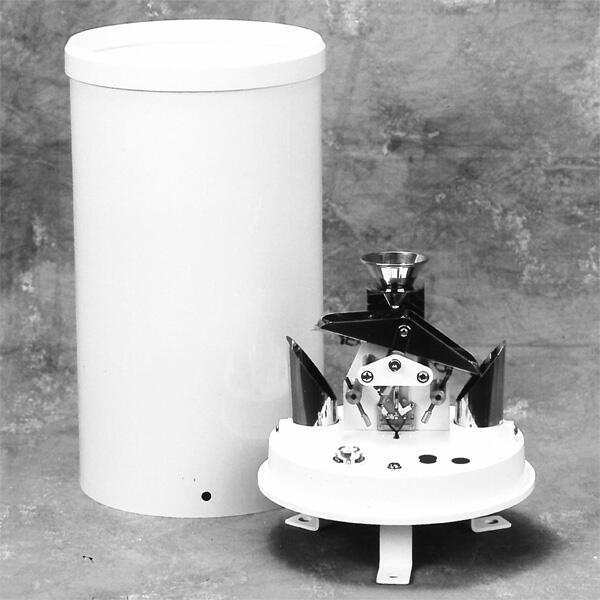
Rain gauges are simple yet essential tools used to measure the amount of precipitation over a specific period. While they are commonly associated with meteorology, their applications extend far beyond weather forecasting. Here are 10 practical uses of rain gauges in everyday life:
## 1. Gardening and Landscaping
For gardeners and landscapers, understanding rainfall is crucial for maintaining healthy plants. A rain gauge helps determine whether plants are receiving adequate water or if additional irrigation is needed. This ensures optimal growth and prevents overwatering, which can lead to root rot.
## 2. Agriculture
Farmers rely on rain gauges to monitor precipitation levels, which directly impact crop yields. By tracking rainfall, they can make informed decisions about planting, irrigation, and harvesting schedules, ultimately improving productivity and reducing water waste.
## 3. Flood Prevention
In areas prone to flooding, rain gauges are vital for early warning systems. By measuring rainfall intensity and duration, authorities can predict potential flood risks and take preventive measures, such as evacuations or reinforcing flood defenses.
## 4. Water Resource Management
Rain gauges play a key role in managing water resources. Municipalities use them to monitor rainfall and plan water usage, ensuring a sustainable supply for drinking, sanitation, and industrial purposes. This is especially important in regions facing water scarcity.
## 5. Construction Projects
Construction sites often use rain gauges to monitor weather conditions. Excessive rainfall can delay projects, damage materials, and create unsafe working conditions. By tracking precipitation, project managers can adjust schedules and protect their investments.
## 6. Sports and Recreation
Outdoor sports and recreational activities, such as golf, cricket, and hiking, are heavily influenced by weather conditions. Rain gauges help organizers and participants plan events, ensuring safety and enjoyment while minimizing disruptions caused by unexpected rainfall.
## 7. Environmental Monitoring
Environmental scientists use rain gauges to study ecosystems and monitor climate change. By analyzing precipitation patterns, they can assess the health of forests, wetlands, and other natural habitats, contributing to conservation efforts and biodiversity protection.
## 8. Urban Planning
City planners incorporate rain gauge data into urban development projects. Understanding rainfall patterns helps design efficient drainage systems, reduce urban flooding, and create green spaces that enhance the quality of life for residents.
## 9. Education and Research
Rain gauges are valuable tools in educational settings, teaching students about meteorology, hydrology, and environmental science. They also support research initiatives, providing data for studies on weather patterns, climate trends, and water cycles.
## 10. Personal Weather Stations
Enthusiasts and hobbyists often set up personal weather stations at home, with rain gauges as a key component. These stations allow individuals to track local weather conditions, contributing to community weather networks and fostering a deeper appreciation for the natural world.
In conclusion, rain gauges are versatile instruments with a wide range of applications in everyday life. From agriculture and flood prevention to education and personal use, they provide valuable insights into precipitation patterns, helping individuals and communities make informed decisions and adapt to changing weather conditions.
Keyword: 10 uses of rain gauge