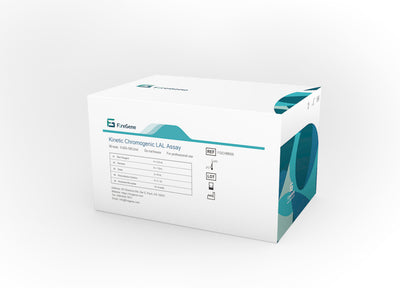
。
# Endotoxin Detection Using LAL Kinetic Chromogenic Assay
## Introduction to Endotoxins and Their Detection
Endotoxins, also known as lipopolysaccharides (LPS), are toxic components found in the outer membrane of Gram-negative bacteria. These molecules can cause severe inflammatory responses in humans and animals, making their detection crucial in pharmaceutical, medical device, and biotechnology industries.
## What is LAL Kinetic Chromogenic Assay?
The Limulus Amebocyte Lysate (LAL) Kinetic Chromogenic Assay is a highly sensitive and quantitative method for endotoxin detection. This assay utilizes the clotting enzyme cascade present in the blood cells (amebocytes) of horseshoe crabs (Limulus polyphemus).
### Principle of the Assay
The LAL Kinetic Chromogenic Assay works by measuring the color development resulting from the cleavage of a synthetic chromogenic substrate by the endotoxin-activated clotting enzyme. The rate of color development is directly proportional to the endotoxin concentration in the sample.
## Advantages of Kinetic Chromogenic Method
- High sensitivity (detection limit typically 0.005-0.01 EU/mL)
- Quantitative results with wide dynamic range
- Less susceptible to interference compared to gel-clot method
- Automation-friendly format
- Objective endpoint measurement
Keyword: LAL Kinetic Chromogenic Assay
## Standard Procedure for LAL Kinetic Chromogenic Assay
Sample Preparation
Proper sample preparation is critical for accurate results. Samples may need dilution with endotoxin-free water to bring them within the assay’s detection range and to overcome potential interference.
Assay Performance
- Prepare standard curve using known endotoxin concentrations
- Add LAL reagent to samples and standards
- Incubate at 37°C
- Measure absorbance at 405 nm at regular intervals
- Calculate endotoxin concentration from the standard curve
## Applications in Various Industries
| Industry | Application |
|---|---|
| Pharmaceutical | Quality control of parenteral drugs and medical devices |
| Biotechnology | Testing of recombinant proteins and vaccines |
| Medical Devices | Sterility testing of implants and surgical equipment |
| Water Treatment | Monitoring of pyrogen-free water systems |
## Regulatory Considerations
The LAL Kinetic Chromogenic Assay is recognized by major pharmacopeias including USP , EP 2.6.14, and JP 4.01. Compliance with these standards is essential for product approval in regulated markets.
## Future Developments
Alternative Methods
Research continues into recombinant factor C (rFC) assays as potential alternatives to traditional LAL testing, offering advantages in sustainability and standardization.
Automation Trends
Increasing automation in endotoxin testing is improving throughput and reducing variability in results, particularly for high-volume testing laboratories.