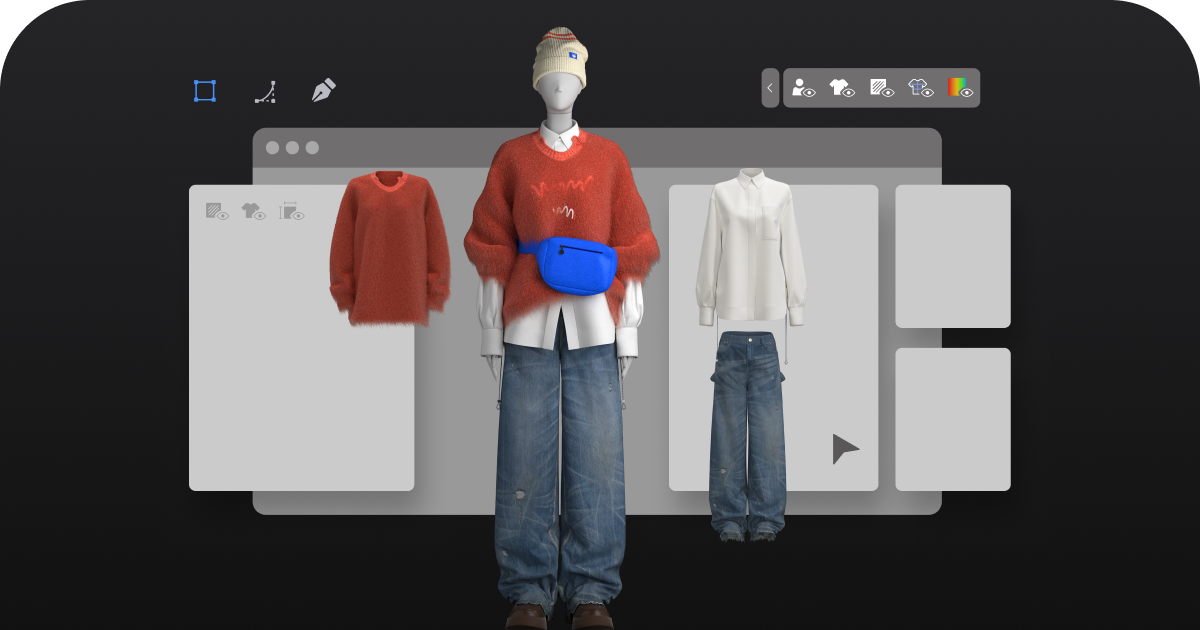
The Future of Fashion: How Artificial Intelligence is Revolutionizing the Industry
The fashion industry is undergoing a massive transformation, and at the heart of this change is Artificial Intelligence. From design to production, AI is reshaping how fashion brands operate, making processes faster, more efficient, and incredibly innovative.
What is Artificial Intelligence in Fashion?
Artificial Intelligence, or AI, refers to the simulation of human intelligence in machines that are programmed to think and learn. In the fashion industry, AI is being used to analyze trends, predict consumer behavior, and even design clothing. Companies like Style3D are leading the charge by integrating AI into their platforms to create virtual fashion experiences.
How AI is Changing Fashion Design
Traditionally, fashion design has been a labor-intensive process, requiring countless hours of sketching, prototyping, and sampling. With AI, designers can now use algorithms to generate new designs based on historical data and current trends. This not only speeds up the design process but also allows for more creativity and experimentation.
The Role of AI in Production
AI is also making waves in the production phase of fashion. By using machine learning algorithms, manufacturers can optimize their supply chains, reduce waste, and improve quality control. Style3D, for example, offers solutions that allow brands to create digital prototypes, reducing the need for physical samples and minimizing environmental impact.
AI and Consumer Experience
One of the most exciting applications of AI in fashion is in enhancing the consumer experience. Virtual fitting rooms, personalized recommendations, and AI-driven styling assistants are just a few ways that brands are using AI to engage with their customers. These technologies not only improve customer satisfaction but also drive sales by offering a more tailored shopping experience.
Challenges and Ethical Considerations
While the benefits of AI in fashion are clear, there are also challenges and ethical considerations to keep in mind. Issues such as data privacy, job displacement, and the potential for bias in AI algorithms are important topics that the industry must address as it continues to adopt these technologies.
Conclusion
The integration of Artificial Intelligence into the fashion industry is not just a trend; it’s a revolution. As AI continues to evolve, it will undoubtedly bring even more innovative solutions to the table, transforming the way we design, produce, and experience fashion. The future of fashion is here, and it’s powered by AI.
Keyword: clothing designer software