# Automated Weather Station: Advancements and Applications in Modern Meteorology
Automated Weather Station: Advancements and Applications in Modern Meteorology
In the realm of modern meteorology, the automated weather station (AWS) has emerged as a cornerstone technology, revolutionizing the way we collect, analyze, and interpret weather data. These sophisticated systems are designed to operate autonomously, providing real-time meteorological information with minimal human intervention. This article delves into the advancements and applications of automated weather stations, highlighting their significance in contemporary weather forecasting and climate research.
What is an Automated Weather Station?
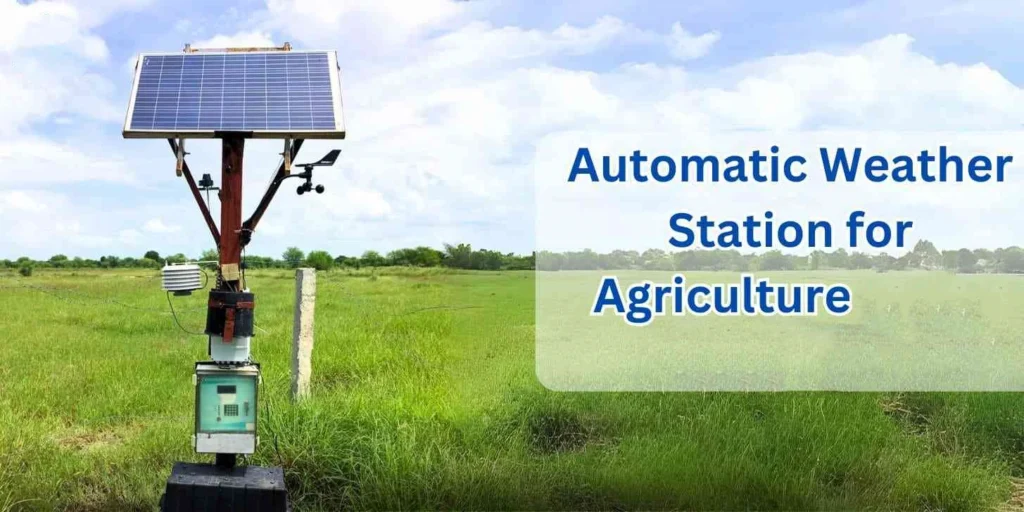
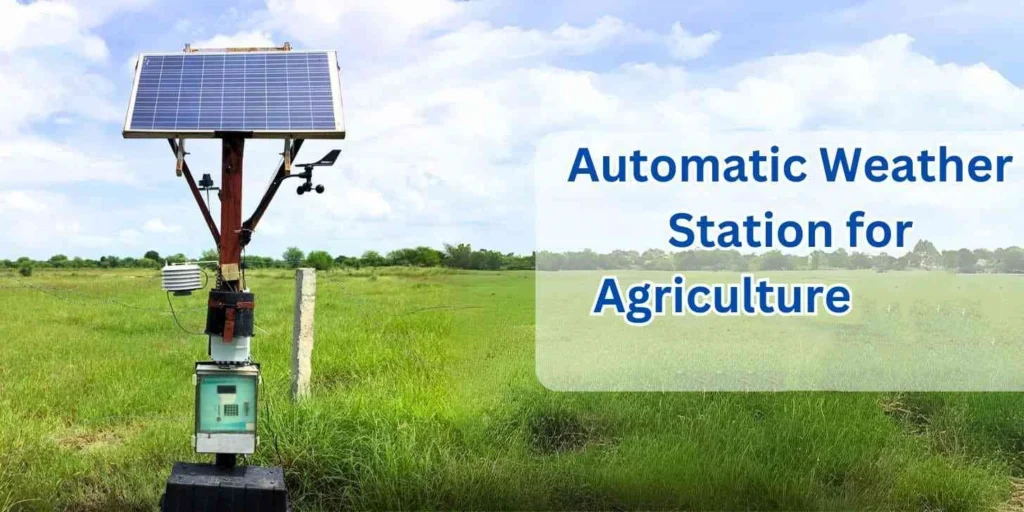
An automated weather station is a system that consists of various sensors and instruments designed to measure atmospheric conditions such as temperature, humidity, wind speed, wind direction, precipitation, and barometric pressure. Unlike traditional weather stations that require manual readings, AWSs are equipped with data loggers and communication modules that transmit data to central databases or directly to end-users. This automation ensures continuous and accurate data collection, even in remote or harsh environments.
Advancements in Automated Weather Station Technology
Over the years, significant advancements have been made in the technology underpinning automated weather stations. These improvements have enhanced their accuracy, reliability, and versatility. Some of the key advancements include:
- Enhanced Sensor Accuracy: Modern AWSs are equipped with high-precision sensors that provide more accurate and reliable measurements. These sensors are often calibrated to meet international standards, ensuring data consistency across different stations.
- Wireless Communication: The integration of wireless communication technologies, such as cellular networks and satellite links, has enabled AWSs to transmit data in real-time. This capability is crucial for timely weather forecasting and emergency response.
- Energy Efficiency: Many AWSs are now powered by renewable energy sources, such as solar panels, making them more sustainable and suitable for deployment in remote areas without access to conventional power sources.
- Data Integration and Analytics: Advanced data integration and analytics platforms allow for the seamless processing and interpretation of data collected by AWSs. Machine learning algorithms and artificial intelligence are increasingly being used to enhance predictive capabilities and identify patterns in weather data.
Applications of Automated Weather Stations
The applications of automated weather stations are vast and varied, spanning multiple sectors. Some of the most notable applications include:
- Weather Forecasting: AWSs play a critical role in weather forecasting by providing real-time data that is essential for predicting short-term and long-term weather patterns. This information is invaluable for agriculture, aviation, maritime operations, and disaster management.
- Climate Research: Automated weather stations are indispensable tools for climate scientists studying long-term climate trends and variability. The continuous and accurate data they provide helps in understanding the impacts of climate change and developing mitigation strategies.
- Agriculture: Farmers rely on AWSs to monitor weather conditions that affect crop growth and yield. Data on temperature, humidity, and precipitation helps in making informed decisions about irrigation, planting, and harvesting.
- Disaster Management: In regions prone to natural disasters such as hurricanes, floods, and wildfires, AWSs provide early warning systems that can save lives and reduce property damage. Real-time data on wind speed, rainfall, and atmospheric pressure is crucial for issuing timely alerts and coordinating emergency responses.
- Environmental Monitoring: AWSs are used to monitor environmental parameters in ecologically sensitive areas. This data is essential for conservation efforts, pollution control, and the management of natural resources.
Conclusion
Keyword: automated weather station
Keyword: automated weather station