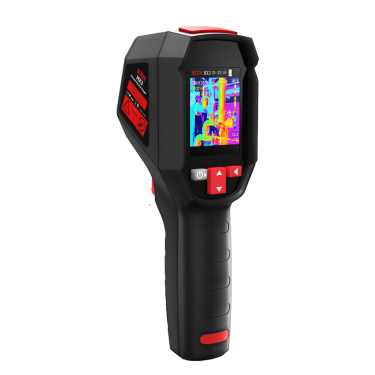
# Infrared Thermometer: Essential Tool for Accurate Temperature Measurement
## What is an Infrared Thermometer?
Keyword: infrared thermometer
An infrared thermometer is a non-contact temperature measurement device that detects infrared energy emitted by objects and converts it into a temperature reading. This innovative tool has revolutionized temperature measurement across various industries by providing quick, accurate, and safe readings without physical contact.
## How Does an Infrared Thermometer Work?
Infrared thermometers operate on the principle of detecting thermal radiation. Every object emits infrared energy based on its temperature. The thermometer’s optical system collects this radiation and focuses it onto a detector, which then converts the energy into an electrical signal. This signal is processed and displayed as a temperature reading.
Key components of an infrared thermometer include:
– Lens for focusing infrared energy
– Detector that converts energy to electrical signal
– Signal processing unit
– Display screen
## Advantages of Using Infrared Thermometers
Infrared thermometers offer numerous benefits that make them indispensable in many applications:
### Non-Contact Measurement
The ability to measure temperature from a distance makes these devices ideal for:
– Measuring moving objects
– Checking hazardous or hard-to-reach surfaces
– Maintaining hygiene in medical and food applications
### Fast Response Time
Unlike traditional thermometers, infrared models provide instant readings, often in less than one second.
### Wide Temperature Range
Modern infrared thermometers can measure temperatures ranging from -50°C to over 3000°C (-58°F to 5432°F), depending on the model.
### Safety
The non-contact nature eliminates risks associated with measuring:
– Extremely hot or cold surfaces
– Electrically charged equipment
– Hazardous materials
## Common Applications of Infrared Thermometers
### Industrial Use
– Monitoring machinery and equipment temperatures
– Predictive maintenance programs
– Quality control in manufacturing processes
### Medical Field
– Body temperature screening (especially during pandemics)
– Identifying inflammation in tissues
– Monitoring wound healing progress
### Food Industry
– Checking cooking and storage temperatures
– Ensuring food safety compliance
– Monitoring refrigeration systems
### HVAC Systems
– Diagnosing heating and cooling issues
– Checking duct temperatures
– Verifying system efficiency
### Automotive
– Engine temperature diagnostics
– Brake system monitoring
– Electrical component inspection
## Choosing the Right Infrared Thermometer
When selecting an infrared thermometer, consider these factors:
### Distance-to-Spot Ratio
This specification indicates the measurement area size relative to distance. A higher ratio means you can measure smaller targets from farther away.
### Temperature Range
Ensure the thermometer covers the range needed for your specific applications.
### Emissivity Settings
Different materials emit infrared energy differently. Advanced models allow adjusting emissivity for more accurate readings on various surfaces.
### Response Time
For fast-moving targets or quick scanning, choose models with faster response times.
### Additional Features
– Backlit displays for low-light conditions
– Data logging capabilities
– Laser targeting for precise measurement
– Wireless connectivity for data transfer
## Proper Use and Maintenance
To ensure accurate measurements:
1. Keep the lens clean and free from scratches
2. Store in a protective case when not in use
3. Avoid extreme temperature fluctuations
4. Regularly calibrate according to manufacturer instructions
5. Use appropriate emissivity settings for different materials
## Future of Infrared Thermometry
Technological advancements continue to improve infrared thermometers:
– Higher accuracy and resolution
– Smart connectivity with mobile devices
– Integration with IoT systems
– AI-powered diagnostics
– Miniaturization for portable applications
As these devices become more sophisticated and affordable, their applications will continue to expand across various sectors, making them an essential tool for accurate temperature measurement in our increasingly technology-driven world.