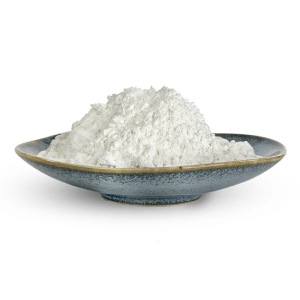
# Starch Sugar: Production, Applications, and Health Implications
## Introduction
Starch sugar, a carbohydrate derived from starch, plays a significant role in various industries and food products. This versatile sweetener has become increasingly important due to its functional properties and wide range of applications. Understanding its production process, uses, and health effects is essential for both manufacturers and consumers.
## Production Process of Starch Sugar
The production of starch sugar involves several key steps:
1. Raw Material Selection
Common sources include corn, wheat, potatoes, and cassava. The choice of raw material affects the final product’s characteristics.
2. Starch Extraction
The selected crop undergoes processing to separate starch from other components like protein and fiber.
3. Liquefaction
Starch is mixed with water and treated with enzymes or acids to break down the long carbohydrate chains.
4. Saccharification
Further enzymatic treatment converts the liquefied starch into simpler sugars like glucose, maltose, or fructose.
5. Purification and Concentration
The resulting syrup is purified, filtered, and concentrated to achieve the desired sweetness level and consistency.
## Types of Starch Sugar
Several varieties exist, each with distinct properties:
- Glucose syrup: Contains varying proportions of glucose, maltose, and higher sugars
- High maltose syrup: Rich in maltose with minimal glucose content
- High fructose corn syrup (HFCS): Contains significant amounts of fructose
- Maltodextrin: Partial hydrolysate with lower sweetness
## Applications in Various Industries
Food Industry
Starch sugars serve multiple functions in food production:
- Sweetening agent in beverages, confectionery, and baked goods
- Texture modifier in ice cream and dairy products
- Fermentation substrate in alcoholic beverage production
- Humectant to retain moisture in various products
Pharmaceutical Industry
Used as:
- Excipient in tablet formulations
- Sweetening agent in syrups and liquid medications
- Energy source in intravenous solutions
Other Industrial Uses
Includes applications in:
- Biofuel production
- Adhesive manufacturing
- Textile processing
Keyword: Starch Sugar
## Health Implications
Nutritional Aspects
Starch sugars provide:
- 4 calories per gram (similar to other carbohydrates)
- Rapid energy source due to quick absorption
- Minimal micronutrient content
Potential Health Concerns
Excessive consumption may contribute to:
- Increased risk of obesity and metabolic disorders
- Dental caries development
- Blood sugar spikes in diabetic individuals
- Possible links to non-alcoholic fatty liver disease (particularly with HFCS)
Regulatory Status and Labeling
Different countries have varying regulations regarding:
- Maximum